
<>
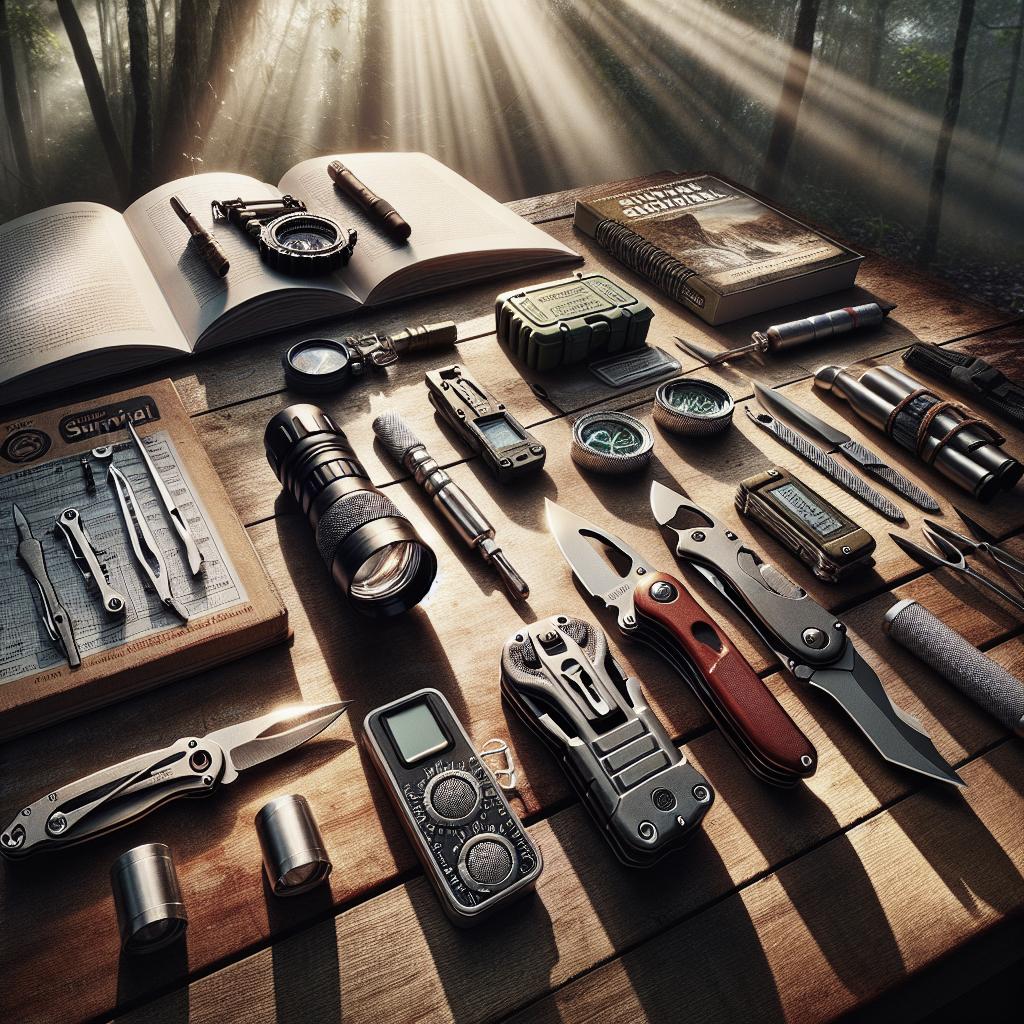
Maintaining survival gear is critical for anyone interested in long-term wilderness survival. A well-maintained bug-out bag and survival gear can mean the difference between life and death in a crisis. This comprehensive guide will dive into the essentials of maintaining each aspect of your survival kit, ensuring it is always ready for use. From the transportation and load-carrying methods to the tools necessary for building shelters and making fire, this post covers the routine checks and upkeep practices needed to keep each component in top condition. We will also explore the best practices for keeping your first aid kit, hunting gear, and electronics functional and reliable. The small efforts made in maintaining these essentials can make a monumental difference when you are out in the wild. —
Bug Out Bag List and Long Term Wilderness Survival Gear:
Transport
Maintaining your transportation means, whether it be a bike, kayak, or even just a sturdy pair of boots, is essential. Inspect for wear and tear regularly; replace faulty parts and ensure moving components are well-lubricated. For bikes, check tire pressure, brakes, and chains to prevent unexpected failures. For watercraft like kayaks, look for leaks and ensure that paddles and safety gear are in good shape. Storage is also key. Keeping your transportation tools in a dry, covered space can prolong their usability. Regular maintenance checks, ideally once a month, help to identify potential issues early, preventing severe damage that could impede your mobility during a survival situation.
Load Carrying
The backpack, or bug-out bag, is the cornerstone of your survival kit. The straps, zippers, and fabric must be robust and functional. Routinely check for fraying, tears, or compromised zippers. Lubricate zippers to keep them running smoothly and repair any minor damage before it escalates. Equally important is the distribution of weight within your pack. Use compartments and pouches wisely to ensure that essential items are accessible and that the weight is balanced. A well-organized bag not only eases carrying but also prevents wear and tear on particular sections.
Navigation
Navigation tools like maps, compasses, and GPS devices should be regularly checked and updated. For physical maps, ensure they are stored in a waterproof case. Compasses need to be free of air bubbles in their liquid interiors, and GPS devices should be checked for software updates and battery longevity. Calibration of your compass and testing the accuracy of GPS units in various environments can save you from potential navigational errors. Always keep spare batteries and an additional map to mitigate the risk of gadget failure.
Shelter
Your shelter gear, including tents, tarps, and sleeping bags, requires ongoing maintenance to remain effective. Inspect seams and fabric for holes or tears, and use repair kits to fix minor damages immediately. Waterproofing sprays can be applied to tents and tarps to enhance their resilience against the elements. Air out sleeping bags and store them in dry environments to prevent mold and mildew. If using inflatable sleeping pads, check for leaks and repair them as soon as they’re detected.
Clothing
Clothing in your survival kit must be durable and suitable for varied weather conditions. Regularly wash and repair your clothing to keep it in top shape. Look for holes, loose stitches, or worn-out areas that can be easily mended. Weather-proof your outer layers to maintain their protective capabilities. Rotating your clothes based on the season can also prevent unnecessary wear. Employing a layering system helps manage numerous weather conditions and preserves the integrity and longevity of each clothing item.
Fire
Fire-starting tools, including lighters, matches, and fire starters, are crucial. Keep matches in waterproof containers and regularly check lighter fluid levels. Firestarters like magnesium sticks or fire steel should be tested periodically to ensure they spark correctly. Stock up on tinder, such as cotton balls soaked in petroleum jelly, and store them in waterproof bags. These simple steps keep your fire sources reliable when you most need them.
Food
Non-perishable food items and MREs (Meals Ready-to-Eat) should be rotated out of your kit periodically. Check expiration dates and replace items before they go bad. Store food in waterproof, air-tight containers to keep them free from moisture and pests. The variety in your food supply is also important. Incorporate different types of foods to provide a balanced diet, ensure proper nutrition, and keep you energized long-term.
Cooking
Cooking gear like portable stoves, pots, and utensils must be cleaned and maintained. Inspect stoves regularly, check for fuel leaks, and ensure you have enough fuel on hand. Inspect your pots and pans for dents or damages that could compromise their function. Moreover, utensils should be cleaned after use and stored in a sanitary, dry environment to prevent corrosion or bacterial growth. Periodic maintenance helps ensure that your cooking gear will be reliable when you’re depending on it to prepare meals.
Hunting
Hunting equipment, including bows, guns, and knives, must be kept in pristine condition. Routinely clean and oil your firearms to prevent rust and ensure they function well. Inspect your bow for cracks or frayed strings and replace them as needed. Sharpen your knives regularly and keep them in a sheath to protect the blade and prevent accidents. Maintaining your hunting gear ensures that it will be reliable and effective when it matters most.
Trapping
Traps should be checked for rust and repairs before being packed. If you’re using snares, ensure that the wire or cord isn’t frayed. For more complex traps, test their functionality to ensure they operate smoothly. Store your traps in a dry place to prevent rust and deterioration. Routine checks and proper storage extend the lifecycle of trapping equipment, making it reliable for capturing food in survival scenarios.
Fishing
Fishing gear, including rods, reels, lines, and hooks, should be meticulously maintained. Check your fishing lines for knots and abrasions; spooling on new line as needed avoids line breaks. Clean your rods and reels after each use, especially if they’re exposed to saltwater. Inspect hooks for rust and sharpness, replacing them if necessary. A well-maintained fishing kit is crucial for ensuring you can catch fish when you’re relying on them as a food source.
Water
Water filtration and purification tools require special attention. Inspect filters for clogs and replace cartridges as per the manufacturer’s instructions. Test your purification tablets or drops occasionally to ensure they dissolve and mix as required. Water storage containers should be cleaned and dried thoroughly before use to prevent bacterial growth. Having a reliable water system in place is vital for hydration and health.
First Aid
First aid kits should be comprehensive and routinely inspected. Check expiry dates on medications and bandages, replacing them as needed. Ensure that all tools, like scissors and tweezers, are clean and functional. Organize your first aid supplies in a manner that makes them easily accessible. Familiarize yourself with the contents and their uses, ensuring you’re prepared to handle any medical emergencies that may arise.
Tools
Essential tools like multi-tools, axes, saws, and shovels should be kept sharp and rust-free. Regularly oil metal parts to prevent corrosion, and sharpen blades to keep them effective. Test tools to ensure they’re in good working condition. Store tools in a dry, organized manner to reduce the risk of damage and make them easily accessible when needed. Reliable tools are fundamental to building, cutting, and preparing during survival situations.
Winter
Winter survival gear, including insulated clothing, snow boots, and thermal blankets, requires particular attention. Keep winter clothing in vacuum-sealed bags to save space and maintain their condition. Inspect boots for cracks or wear and waterproof them as needed. Thermal blankets should be tested to ensure they haven’t degraded and still provide adequate warmth. Winter-specific gear needs to be in top condition to protect against the harsh cold.
Electronics (optional)
If your survival kit includes electronics like radios, satellite phones, or solar chargers, keeping them in working order is crucial. Regularly check battery levels and functionality; charge them periodically or as needed. Protect electronics with waterproof cases and store them in padded bags to prevent damage from drops or impacts. Having reliable electronic gear can aid in navigation, communication, and staying informed during emergencies.
Also check my article on building the ultimate INCH bag for similar info about wilderness bug out bag gear
For further insights on building an INCH (I’m Never Coming Home) bag, check out my other article, which provides detailed information on selecting and maintaining gear specifically for indefinite outdoor living scenarios. It covers similar elements but with a focus on long-term solutions tailored to the wilderness environment. —
Summary of main points
| Category | Maintenance Practices |
|---|---|
| Transport | Inspect for wear, keep parts lubricated, and store in dry areas. |
| Load Carrying | Check for damage, lubricate zippers, and organize for balanced weight. |
| Navigation | Update maps, check compasses, and keep spare batteries for GPS devices. |
| Shelter | Inspect seams and fabric, use waterproofing sprays, and air out sleeping bags. |
| Clothing | Wash, repair, and rotate based on season. |
| Fire | Keep matches dry, check lighters, and store tinder in waterproof bags. |
| Food | Rotate items, check expiration dates, and store in airtight containers. |
| Cooking | Clean and inspect stoves, pots, and utensils regularly. |
| Hunting | Clean and oil firearms, inspect bows and knives, and sharpen blades. |
| Trapping | Check for rust, test functionality, and store in dry places. |
| Fishing | Inspect lines and hooks, clean rods and reels, and replace worn-out gear. |
| Water | Inspect filters, check purification tablets, and clean storage containers. |
| First Aid | Check expiry dates, clean tools, and organize supplies. |
| Tools | Sharpen blades, oil metal parts, and store properly. |
| Winter | Inspect and waterproof clothing and boots, check thermal blankets. |
| Electronics | Check batteries, protect with waterproof cases, and store in padded bags. |

