<>
When it comes to packing efficiently for outdoor activities, whether it’s camping or hiking, preparation is key. Having the right gear not only ensures comfort but also safety during your adventures. This blog post will guide you through the essentials for camping, including suitable clothing and footwear, as well as necessary shelter and sleeping gear. We’ll also provide a detailed hiking gear checklist to ensure you’re well-prepared for the trails. Lastly, we’ll share insightful packing tips to maximize efficiency, allowing you to enjoy your outdoor experiences with minimal hassle. By the end of this comprehensive guide, you’ll be ready to embark on your next adventure, fully equipped and organized.
Packing Essentials for Camping
Camping is an invigorating way to connect with nature, but it requires thorough preparation to ensure a pleasant and safe experience. An essential aspect of camping is having the right gear, which encompasses clothing, footwear, shelter, and sleeping equipment. Packing efficiently allows you to carry just the necessities without weighing yourself down, offering you more freedom to explore and enjoy your surroundings.
Clothing and Footwear for Camping
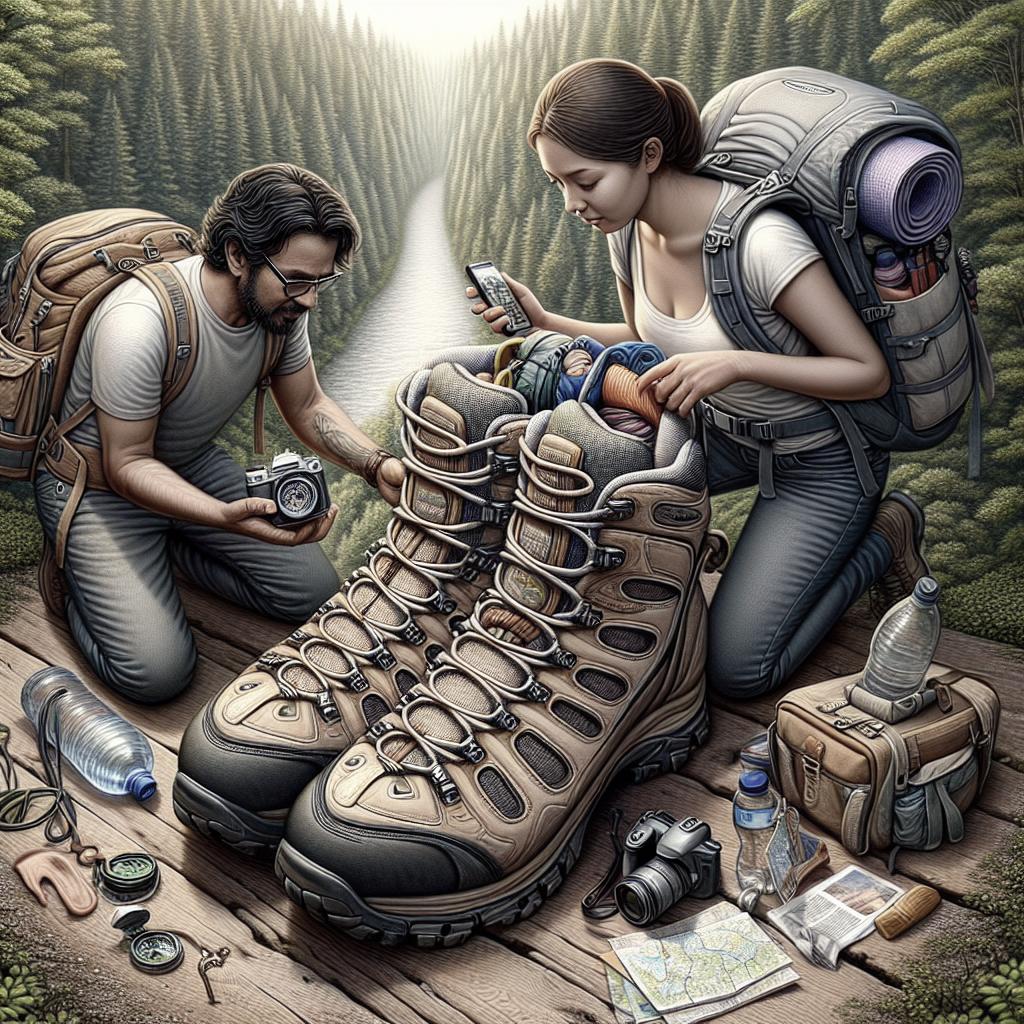
Selecting the right clothing for camping is pivotal. Opt for moisture-wicking and quick-dry fabrics that are both breathable and comfortable. Layering is vital as temperatures can fluctuate drastically, especially in mountainous or forested areas. Your base layer should wick moisture, the middle layer should provide insulation, and the outer layer must be waterproof to protect against rain and wind. Don’t forget to pack extra socks and underwear for added comfort and hygiene. Footwear is equally crucial. A sturdy pair of hiking boots with good ankle support and traction will serve you well on uneven terrains. Break your boots in before the trip to avoid blisters. Also, consider bringing a pair of lightweight, durable sandals for lounging around the campsite, allowing your feet to breathe after a long day.
Shelter and Sleeping Gear for Camping
Choosing the right shelter and sleeping gear is another cornerstone of a successful camping trip. Your tent should be suitable for the environment you’re camping in, whether it’s a lightweight backpacking tent or a more robust all-season tent for extreme conditions. Make sure it includes a rainfly and a ground tarp to keep moisture out. For sleeping gear, a comfortable sleeping bag rated for the lowest nighttime temperature you expect is essential. Complement it with a sleeping pad that provides insulation and cushioning against the cold, hard ground. Consider a compact camping pillow for added comfort, or use a stuff sack filled with extra clothing for a makeshift pillow to save space.
Hiking Gear Checklist
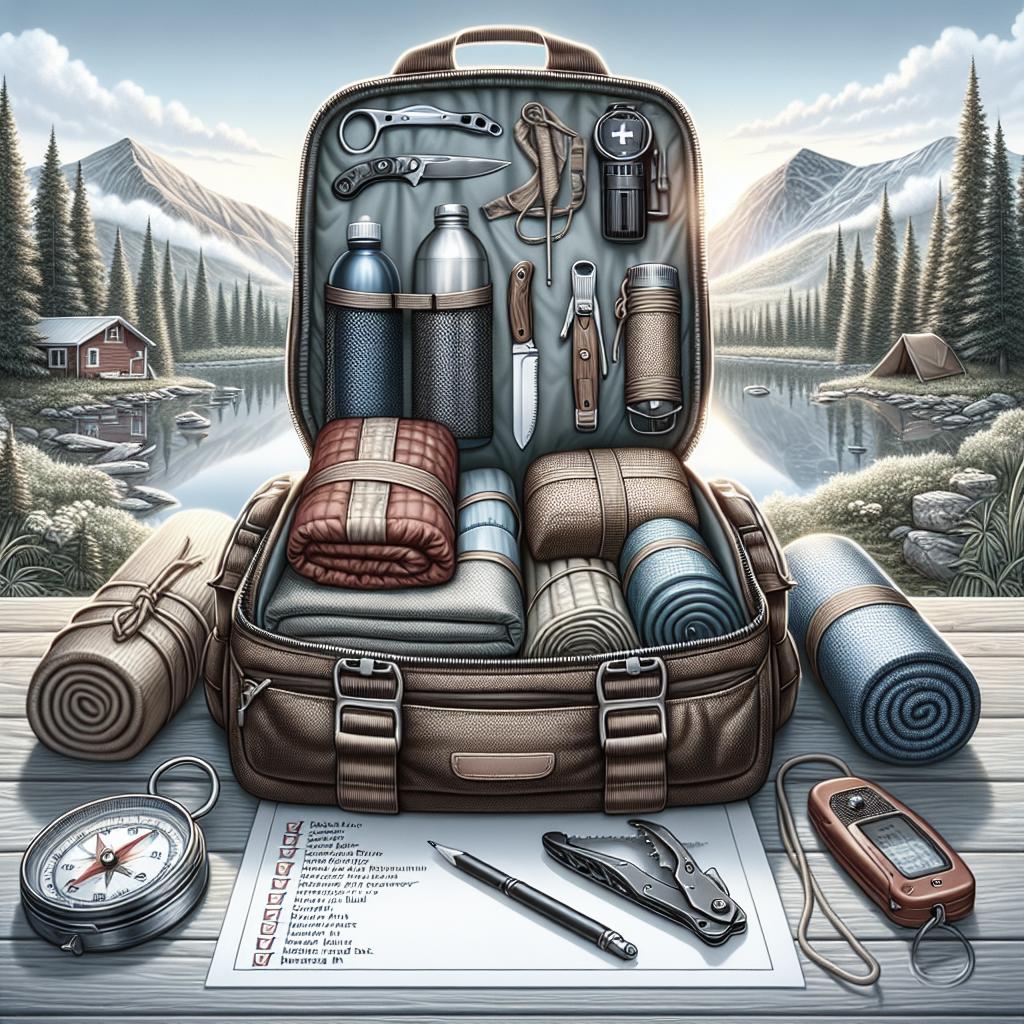
If hiking is part of your outdoor adventure, having the right gear is imperative. Start with a reliable daypack that fits comfortably and distributes weight evenly. It should have multiple compartments to help keep your gear organized and easily accessible. Hydration is key, so pack a water bladder or bottles that can hold enough water for your trip. Other essentials include a map and compass, or a GPS device, to ensure you stay on course. A multi-tool, first aid kit, and headlamp are also critical items to have on hand. Don’t forget to pack energy-dense snacks like trail mix, energy bars, and jerky to keep your energy levels up during the hike. Clothing for hiking should include moisture-wicking and breathable fabrics. Wear layers that you can easily add or remove depending on the weather. A hat and sunglasses are useful for sun protection, and always carry a lightweight rain jacket in case of sudden weather changes.
Camping Packing Tips for Efficiency
Maximizing efficiency when packing for camping involves smart planning and organization. Create a checklist of everything you need to bring and categorize items by their use. Pack your gear in a logical order, with items you’ll need first, like a tent and cooking supplies, easily accessible. Use compression bags or packing cubes to save space and keep items organized. Consider multi-purpose gear to reduce the number of items you need to carry. A towel that doubles as a blanket or a cookware set that nests together are great examples. Always pack light but don’t skimp on the essentials. Finally, double-check your bag for any non-essential items you can leave behind to save weight and space. Labeling your gear can also be a lifesaver, especially in group settings where gear can easily get mixed up. Mark your items with color-coded tape or labels so you can quickly identify them. Additionally, practice setting up your tent and using your gear at home before heading out. This ensures you’re familiar with your equipment and can set up camp quickly, saving time and reducing stress.
Future Prospects
Investing time and effort in packing efficiently for outdoor activities can immensely enhance your overall experience. The right approach ensures you stay comfortable, safe, and ready for anything nature throws your way. With these packing strategies, you’ll be well-prepared for camping and hiking adventures, making your outdoor excursions enjoyable and memorable. Happy exploring! “`
| Category | Items | Details |
|---|---|---|
| Clothing & Footwear | Moisture-wicking clothes, layered clothing, hiking boots, sandals | Breathable, quick-dry materials, sturdy footwear, extra socks |
| Shelter & Sleeping Gear | Tent, sleeping bag, sleeping pad, camping pillow | Shelter suitable for environment, comfortable sleeping setup |
| Hiking Gear | Daypack, water bladder/bottles, map, compass/GPS, multi-tool, first aid kit, headlamp, snacks | Navigation tools, hydration, energy-dense food, essential tools and kits |
| Packing Tips | Checklist, logical packing order, compression bags, multi-purpose gear, labeling | Organization, space-saving, reducing weight, ensuring quick access to essentials |
“`