< lang="en">
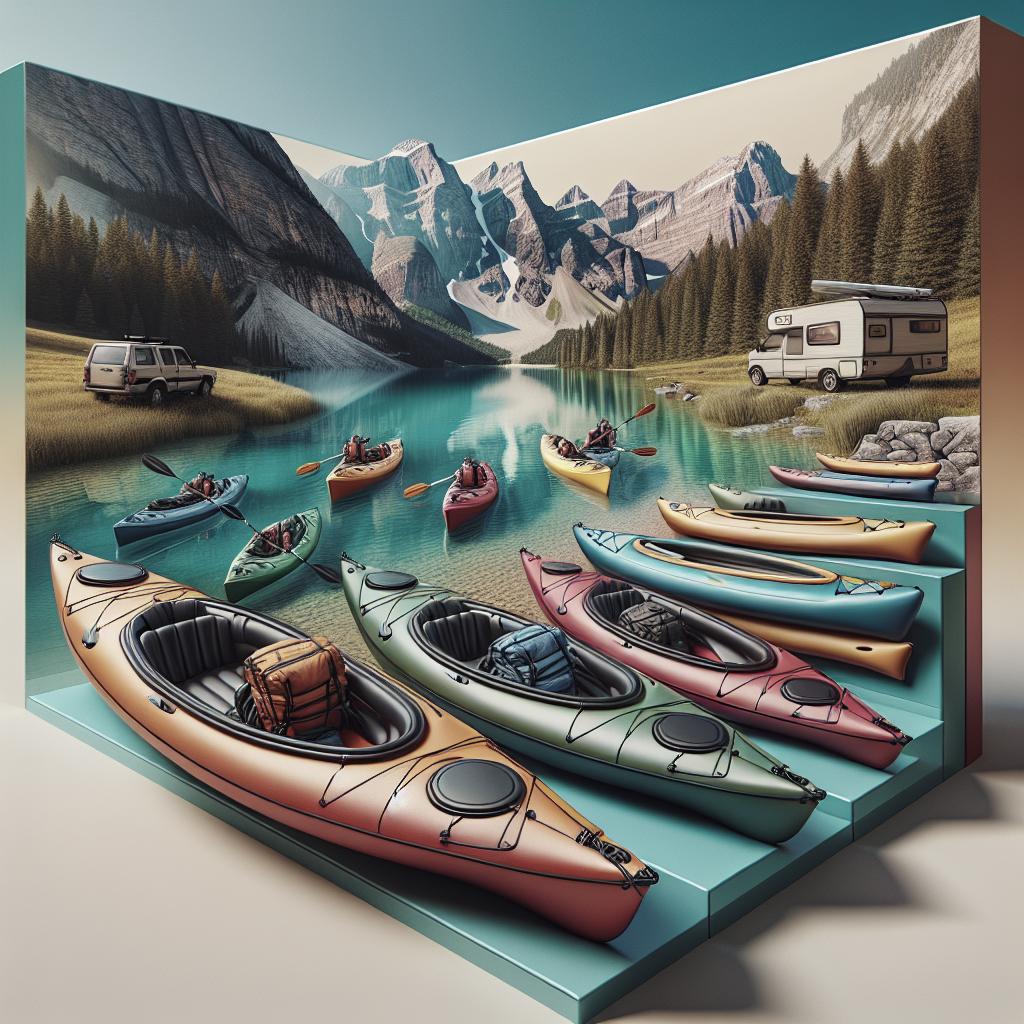
Choosing a kayak can be a daunting task, especially for beginners. This guide aims to break down the various factors you should consider when selecting the right kayak for your needs. We’ll delve into the different types of kayaks, their usage, propulsion methods, materials used in their construction, single vs. tandem kayaks, and features to look for. Furthermore, we’ll touch on technical design aspects, suitable water types, additional considerations, and the crucial safety equipment you’ll need. By the end of this article, you’ll be well-equipped to make an informed decision and enjoy a seamless kayaking experience.
Types of kayaks
There are several types of kayaks, each tailored to specific activities and water conditions. Recreational kayaks are ideal for beginners and casual paddlers. They are stable, easy to maneuver, and suitable for calm waters like lakes and slow-moving rivers. Touring kayaks, on the other hand, are designed for long-distance paddling. They are longer, narrower, and have ample storage for gear. These kayaks perform well in diverse conditions, including coastal waters and large lakes.
Whitewater kayaks are specialized for navigating rapids and rough waters. They are shorter, more maneuverable, and feature a rounded hull. Fishing kayaks are equipped with specific features such as rod holders, tackle storage, and additional stability for casting. Inflatable kayaks offer portability and are great for those with limited storage space; however, they may not perform as well as rigid kayaks in all conditions.
Usage
The first step in choosing a kayak is to identify how you plan to use it. Are you looking for leisurely paddles on calm lakes, or do you crave the thrill of tackling whitewater rapids? The intended usage heavily influences the type of kayak you should choose. Recreational kayaks are best for casual paddling, while touring kayaks cater to long-distance adventures.
Consider whether you’ll be using the kayak for fishing, photography, or other specialized activities. Fishing kayaks come with features like built-in rod holders and extra storage, while touring kayaks prioritize speed and efficiency for long voyages. Clearly defining your primary usage will help you narrow down the choices.
Propulsion method
Traditional kayaks use paddles as their primary propulsion method. Paddles come in various designs and materials, from basic aluminum to high-end carbon fiber. Paddling is a great workout and allows for a significant degree of control and maneuverability. However, it requires a level of physical fitness and can be tiring over long distances.
Pedal kayaks have gained popularity, especially among anglers. These kayaks use a pedal-driven propeller system, leaving your hands free for fishing or photography. Pedal kayaks are generally faster and more efficient over long distances but come at a higher cost. Motorized kayaks, equipped with small electric or gas motors, are another option, perfect for those looking to cover large areas with minimal physical effort.
Materials used in construction
The materials used in a kayak’s construction affect its weight, durability, and performance. Polyethylene is the most common material, known for its affordability and durability. However, it is heavier and less rigid compared to other materials. Composite materials such as fiberglass and carbon fiber offer enhanced performance features. They are lighter, stiffer, and faster but come with a higher price tag.
Inflatable kayaks are usually made from PVC or similar high-strength materials. They offer the advantage of easy storage and transport. However, they may not be as durable or performant as hard-shell kayaks in challenging conditions. Wooden kayaks are also an option, prized for their aesthetics and craftsmanship, but they require regular maintenance and care.
Single or tandem kayak
Another crucial decision to make is whether to opt for a single or tandem kayak. Single kayaks are designed for solo paddling and offer more control and maneuverability, which can be beneficial for both beginners and experienced paddlers. These kayaks are also lighter and easier to transport.
Tandem kayaks, designed for two paddlers, can be a great choice for couples, friends, or families who want to paddle together. They provide social interaction and can be more stable due to their larger size. However, they are bulkier and heavier, making them harder to transport and store. They can also be trickier to maneuver if both paddlers are not in sync.
Features to look for when buying a kayak
When shopping for a kayak, look for features that enhance comfort and convenience. Adjustable seating is crucial for comfort during long paddles. Ensure the kayak has ample room for your legs and seating adjustments. Storage compartments are another important feature, especially if you plan on carrying gear for long trips or fishing equipment.
Additional features like rudders or skegs can improve tracking and steering, particularly in windy conditions. Some kayaks also come with built-in rod holders and fish finders for fishing enthusiasts. Consider the kayak’s weight capacity, ensuring it can comfortably support your weight and any additional gear.
Technical Aspects of Kayak Design
The design and shape of a kayak directly influence its performance. Key elements to consider include the hull shape, length, and width. A flat hull provides better stability, making it suitable for beginners and calm waters. A V-shaped hull, however, offers better speed and performance in rough waters.
Kayak length impacts maneuverability and speed. Shorter kayaks are easier to steer and are ideal for narrow waterways and whitewater. Longer kayaks track better and maintain higher speeds, suitable for touring and open waters. Width plays a role in stability and speed; wider kayaks are more stable but slower, while narrower kayaks are faster but less stable.
Types of Water
The type of water you’ll be kayaking in is another critical factor. Calm, flat waters like lakes and ponds are best suited for recreational and inflatable kayaks, which provide stability and ease of use. Touring kayaks excel in open waters and coastal areas, where longer distances and varying conditions are expected.
For rivers and streams with mild currents, recreational and touring kayaks both perform well. However, whitewater kayaks are necessary for navigating rapids and swift currents. If you plan to kayak in multiple types of water, look for versatile options designed to handle diverse conditions.
Additional considerations when choosing a kayak
Consider transportation and storage aspects when choosing your kayak. Hard-shell kayaks can be bulky and may require roof racks or trailers for transport. Inflatable kayaks, on the other hand, can be easily deflated and stored in a trunk or closet. Also, consider the weight of the kayak and your ability to carry or lift it.
The cost is another significant factor. Kayaks range from affordable entry-level models to high-end, feature-packed versions. Set a budget and prioritize features that align with your usage and preferences. Additionally, consider if you need any accessories like paddles, life vests, or dry bags, which can add to the overall cost.
Safety Equipment
Safety should always be a priority when kayaking. Essential safety equipment includes a life jacket, also known as a personal flotation device (PFD). Ensure it fits properly and is U.S. Coast Guard-approved. Always wear a life jacket, regardless of your swimming ability or the water conditions.
Other important safety gear includes a whistle for signaling, a bilge pump for removing water from the kayak, and a paddle leash to prevent losing your paddle. If kayaking in rough or open waters, consider additional equipment like a spray skirt and a helmet. It’s also wise to carry a first aid kit and a waterproof phone case for emergencies.
Final Thoughts
Choosing the right kayak involves a balance of personal preference, intended use, and practical considerations. By understanding the different types of kayaks, their features, and the environments they are best suited for, you can make an informed decision that enhances your kayaking experience. Remember to prioritize safety and invest in the necessary equipment to ensure a fun and secure adventure.
Discover more great articles from Flatwater Kayak Club, your free online destination for flatwater kayaking in the Pacific Northwest:
| Aspect | Key Points |
|---|---|
| Types of Kayaks | Recreational, Touring, Whitewater, Fishing, Inflatable |
| Usage | Define primary use: leisure, long-distance, fishing, photography |
| Propulsion Method | Paddles, Pedals, Motorized |
| Construction Materials | Polyethylene, Composite, Inflatable, Wooden |
| Single or Tandem | Solo control vs social interaction and stability |
| Buying Features | Seating, Storage, Rudders, Skegs, Weight Capacity |
| Technical Design | Hull shape, Length, Width |
| Water Types | Calm, Flat Waters vs Open Waters vs Rapids |
| Additional Considerations | Transport, Storage, Cost |
| Safety Equipment | PFD, Whistle, Bilge Pump, Paddle Leash, First Aid Kit |