
<>
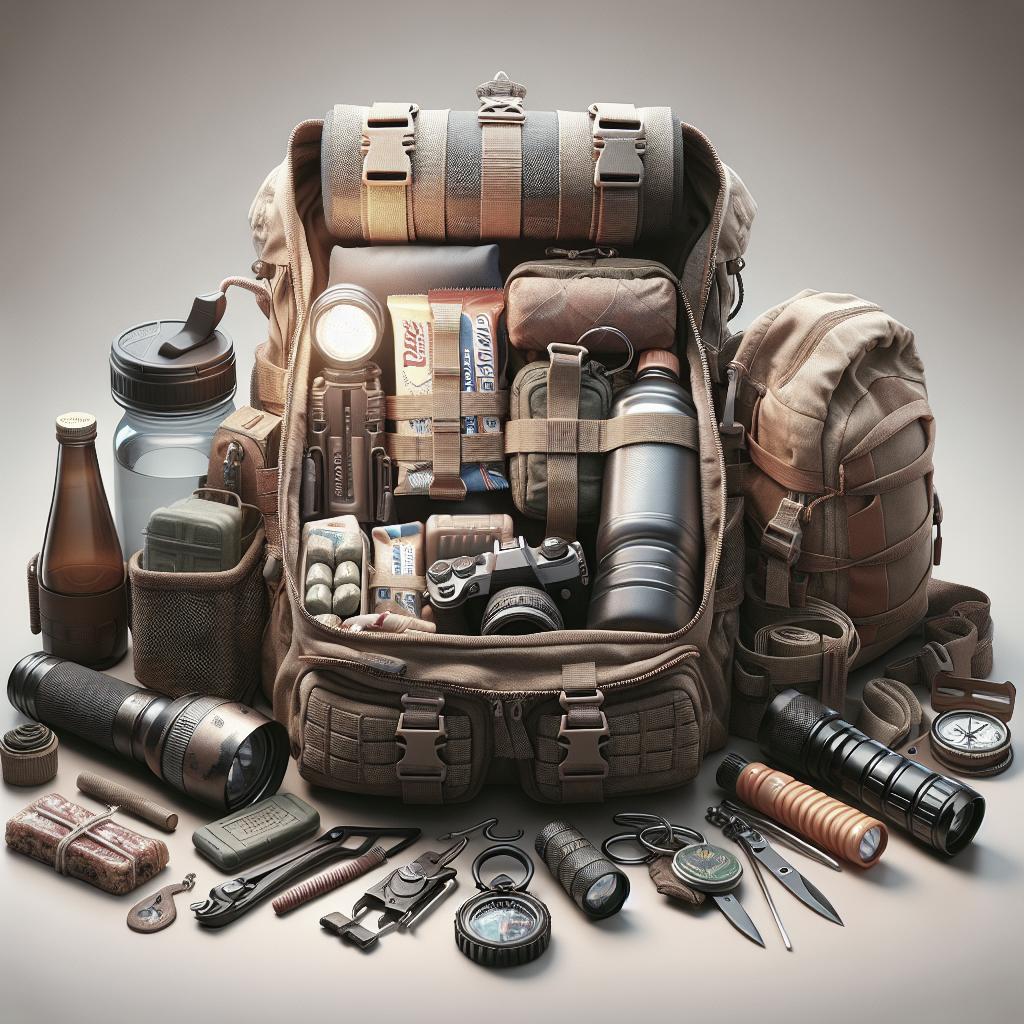
When emergencies strike, having a well-prepared survival backpack can make all the difference. A survival backpack, also known as a “go-bag” or “bug-out bag,” is a portable kit that contains essential items you need to survive for at least 72 hours when evacuating from a disaster. In this blog post, we will guide you through the fundamental components to include in a basic disaster supplies kit, explore additional emergency supplies that may further enhance your preparedness, provide tips on maintaining your kit, and recommend ideal locations for storing your survival backpack. By the end of this read, you’ll have a comprehensive checklist to ensure you and your loved ones are ready when the unexpected happens.
Basic Disaster Supplies Kit
The cornerstone of any well-prepared survival backpack is a basic disaster supplies kit. This kit should contain essential items that cover your most immediate needs: water, food, and basic first-aid supplies. According to FEMA recommendations, you should include one gallon of water per person per day for at least three days. Choose non-perishable food items such as canned goods, energy bars, and dried fruits, taking care to include items that require minimal preparation. In addition to food and water, consider essential health and safety items. A first-aid kit equipped with bandages, antiseptics, adhesive tape, pain relievers, and any prescription medications is vital. Also, incorporate hygiene products like moist towelettes, hand sanitizer, a multi-purpose tool, a flashlight with extra batteries, a whistle to signal for help, and a battery-operated or hand-crank radio to stay informed about emergency updates.
Additional Emergency Supplies
Beyond the basic necessities, adding extra survival items can significantly increase your preparedness level. Start by considering the elements you might encounter. A good tent, sleeping bag, or emergency blanket provides shelter and warmth. Furthermore, bring additional clothing that suits the climate of your area, including sturdy footwear and weather-appropriate outerwear. Communication and navigation tools are equally important. Pack an extra cell phone with chargers and backup battery packs. Include local maps, a compass, and a portable charger powered by solar energy. Personal documents like copies of IDs, insurance policies, and emergency contact information should be waterproofed and included in your kit. For multi-person households, ensure everyone has their own personalized bag with additional items tailored to individual needs, such as baby supplies or pet food.
Maintaining Your Kit
The effectiveness of your survival backpack relies on regular maintenance. Periodically check the expiration dates on food, water, and batteries; replace items as necessary. Ensure all electronic devices are functioning and update any personal documents and emergency contact information as needed. Routine inspection helps to identify any wear and tear or shortages, allowing you to make timely replacements before an emergency occurs. Consider season-specific changes as well. Your kit should adapt with the weather, adding sunscreen and insect repellent in the summer, and hand warmers and extra blankets in winter. It’s also beneficial to review your kit annually or after any significant life changes like moving to a new location or adding new family members. This keeps your preparedness measures relevant and effective.
Kit Storage Locations
Where you store your survival backpack can have a substantial impact on its accessibility during an emergency. Common recommendation includes keeping one kit in your home, another in your car, and a third one at your workplace. In your home, store the kit in an easily accessible and centrally located area, such as a closet near the front door. Make sure all household members know its location. In your car, stow the kit in the trunk or in a secured under-seat storage unit, ensuring it’s firmly in place to avoid unnecessary movement and damage. For your workplace kit, keep it in a desk drawer or a locker, always ensuring it is within reach. Having kits strategically placed in different locations ensures that you’ll have access to essential supplies, no matter where you are when disaster strikes.
Future Prospects
Beneath is a comprehensive table summarizing the essential components for a survival backpack:
| Category | Items |
|---|---|
| Basic Disaster Supplies Kit | Water (1 gallon per person per day for 3 days), non-perishable food, first-aid kit, hygiene products, multi-purpose tool, flashlight, extra batteries, whistle, battery-operated or hand-crank radio |
| Additional Emergency Supplies | Tent, sleeping bag, emergency blanket, extra clothing, sturdy footwear, weather-appropriate outerwear, extra cell phone, chargers, solar charger, local maps, compass, personal documents, baby supplies, pet food |
| Maintaining Your Kit | Check expiration dates, replace items, ensure electronics function, update documents, season-specific changes, annual reviews |
| Kit Storage Locations | Home (centrally located, easily accessible), Car (trunk or under-seat), Workplace (desk drawer or locker) |
By following these guidelines and making the necessary preparations, you can ensure that you and your family are well-equipped to handle any emergency with confidence and resilience. Stay safe and stay prepared!

