
<>
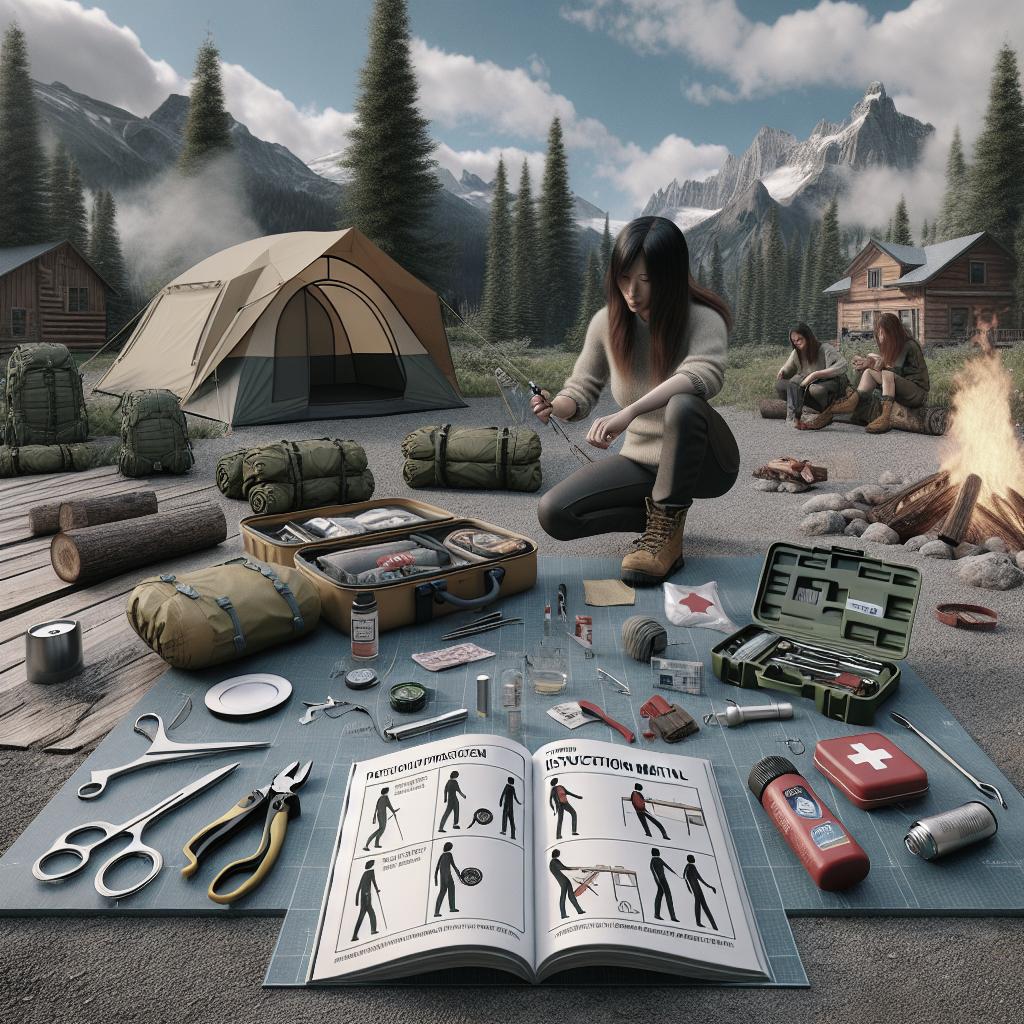
When venturing out into the wilderness, having the right survival equipment and knowing how to use it properly can make all the difference between a successful adventure and a dire situation. This blog post will guide you through the essentials of using survival equipment effectively. From selecting the perfect survival bag to mastering fire-starting techniques, ensuring clean drinking water, navigating unknown terrains, and providing first aid, we’ve got you covered. Let’s dive into the specifics and equip you with the knowledge to be prepared for any situation. “`
The Bag
“` Your survival adventure begins with selecting the right bag. A sturdy, well-organized bag is crucial for carrying all your essential gear. Make sure your bag is waterproof or comes with a rain cover to protect its contents. Backpack functionality, such as multiple pockets and compartments, ensures that you can organize your equipment efficiently. Padded shoulder straps and hip belts can help distribute the weight evenly, making long treks less strenuous. Once you have the right bag, pack it thoughtfully. Heavy items should be placed close to your back and centered for better weight distribution. Frequently used items should be accessible without digging through the entire bag. For instance, place your navigation tools, first aid kit, and water bottle in easily accessible pockets. This organization ensures quick access to critical items when you need them most. “`
Shelter
“` Proper shelter is paramount to surviving harsh weather conditions and ensures a safe resting place in the wilderness. Portable, lightweight tents or tarps are ideal for quick setup and minimal carrying weight. When setting up your shelter, look for flat ground away from potential hazards like falling branches or flooding areas. If a tent is too cumbersome, consider a bivy sack or emergency space blanket as alternatives. Knowing how to properly use your shelter equipment is fundamental. Practice setting up your tent or tarp before heading into the wild to become familiar with the process. In adverse conditions, setting up quickly can prevent exposure to the elements. Additionally, learn to use natural elements to fortify your shelter – for example, use rocks or branches to secure the edges of your tarp in windy conditions. These skills enhance the durability and protection your shelter provides. “`
Fire
“` Fire is a critical survival tool for warmth, cooking food, and signaling for help. Fire-starting equipment, ranging from traditional matches and lighters to fire steels and magnesium blocks, is essential for your survival kit. Waterproof matches and a butane lighter are convenient options. However, for versatility and reliability, a ferrocerium rod (fire steel) combined with cotton balls coated in petroleum jelly can produce a long-lasting flame even in damp conditions. Before starting a fire, assess your surroundings to ensure it is safe. Clear the area of foliage and create a fire ring with stones to contain the flames. Gather different sizes of tinder, kindling, and fuel wood, since you will need to progress from small, easily ignitable material to larger logs to sustain the fire. Practice fire-starting techniques in various conditions to build confidence and skill, ensuring you can produce a reliable fire regardless of the weather. “`
Water
“` Water is arguably the most critical resource in any survival situation. Carrying a portable water filter or purification tablets can mitigate the risks of consuming contaminated water. Modern water filters, such as straw filters and pump filters, can remove bacteria and protozoa. Purification tablets, typically containing iodine or chlorine, are also effective but require time to work. Before using any water found in nature, it’s crucial to assess its source. Running water from streams or rivers is generally cleaner than stagnant pools. If filtering water, carefully follow the manufacturer’s instructions to ensure the process eliminates harmful pathogens. For purification tablets, ensure you have the correct dosage and allow appropriate treatment time. Boiling water is a reliable method: Bring the water to a rolling boil for at least one minute to kill pathogens. Always maintain a clean container for treated water to avoid recontamination. “`
Navigation & Signalling
“` When navigating unfamiliar terrain, reliable navigation tools are indispensable. A good quality compass, combined with accurate maps of the area, forms the cornerstone of any navigation kit. GPS devices provide additional accuracy and convenience, but they rely on batteries, making traditional methods irreplaceable in long-term survival scenarios. Before heading out, familiarize yourself with reading maps and using a compass. Orientation skills include understanding map scales, identifying landmarks, and plotting your course. If your GPS fails or you become disoriented, these skills can help you find your way. For signaling, having equipment like signal mirrors, whistles, and flares can greatly increase your chances of being noticed by rescuers. Practice using these tools so that you can deploy them effectively when needed. “`
First Aid
“` A well-stocked first aid kit is a vital part of your survival equipment. Customize your kit based on the environment and activities you are planning. Basic components should include adhesive bandages, antiseptic wipes, gauze pads, medical tape, pain relievers, tweezers, and scissors. For remote adventures, consider adding items like a snake bite kit, emergency blanket, and a tourniquet. Knowing how to administer first aid effectively is just as important as having the right supplies. Taking a basic first aid course covering wound care, CPR, and treatment for common injuries can equip you with vital skills. Understanding the contents of your first aid kit and how to use them is critical. For instance, practice applying bandages and splints to ensure you can perform these tasks under pressure. Being prepared with both knowledge and equipment ensures you can handle medical emergencies confidently until professional help is available. “`
Share this:
“` Feel free to share this blog post with fellow adventurers and outdoor enthusiasts. Knowledge shared is knowledge gained. “`
Like this:
“` If you enjoyed this article or found it useful, don’t forget to like it and leave a comment below. Your feedback helps us continually improve our content. “`
Related posts on our blog:
“` – [10 Essential Items for Camping](#) – [How to Navigate with a Compass](#) – [First Aid Tips for Hikers](#) “`
About Gary
“` Gary, an avid outdoorsman and survival expert, has spent over a decade exploring and mastering wilderness survival techniques. His mission is to educate and inspire others to enjoy nature safely and responsibly. Follow Gary’s adventures on his social media channels and join him in his next wilderness expedition. “`
| Category | Key Points |
|---|---|
| The Bag | Select a sturdy, waterproof bag; Organize items efficiently |
| Shelter | Use portable tents/tarps; Practice setup; Use natural fortifications |
| Fire | Carry diverse fire-starting tools; Ensure safe fire setup; Practice techniques |
| Water | Carry water filters/purification tablets; Focus on clean water sources; Know purification methods |
| Navigation & Signalling | Use compass/maps & GPS; Familiarize with orientation skills; Carry signaling tools |
| First Aid | Stock a first aid kit; Learn basic first aid; Practice using kit items |
“`

