
<>
Whether you’re a seasoned outdoor enthusiast or a weekend camper, securing your tent in high winds can spell the difference between a memorable adventure and a disastrous outing. High winds can pose significant challenges, potentially leading to damaged equipment or worse, personal injury. This blog post aims to guide you through essential steps to take before you leave home, including how to choose the right tent, how to effectively anchor and pitch it, and how to deal with additional complications such as rain or sleet. Moreover, we’ll also delve into human factors that play a crucial role in managing strong winds. By the end of this guide, you’ll be well-equipped with the knowledge to ensure your tent remains steadfast, regardless of the weather conditions.
But… Before You Leave Home
Preparation starts long before you arrive at your campsite. Conduct a thorough weather check for your destination. High wind advisories or storm warnings can significantly impact your plans, so be ready to adapt. Additionally, make sure your tent and all necessary equipment—stakes, guylines, and repair kits—are in good condition. Another crucial step is practicing your tent pitching skills in a controlled environment. Familiarize yourself with the setup process, which can save precious time when you’re battling the elements on the actual campsite. Gather information on the type of terrain you’re likely to encounter to select appropriate tent stakes and other anchoring hardware.
Tent Selection
Choosing a tent designed to withstand high winds is paramount. Look for low-profile tents with a streamlined shape to minimize wind impact. Dome and geodesic tents often offer the best structural integrity compared to cabin-style tents, which have vertical walls more prone to catching wind. Material selection is also crucial. Tents made from ripstop nylon or polyester offer better wind resistance and durability compared to cheaper materials. Features like reinforced stitching and additional guyline attachment points are advantageous for securing your tent.
Anchoring and Pitching
Guylines and Wind
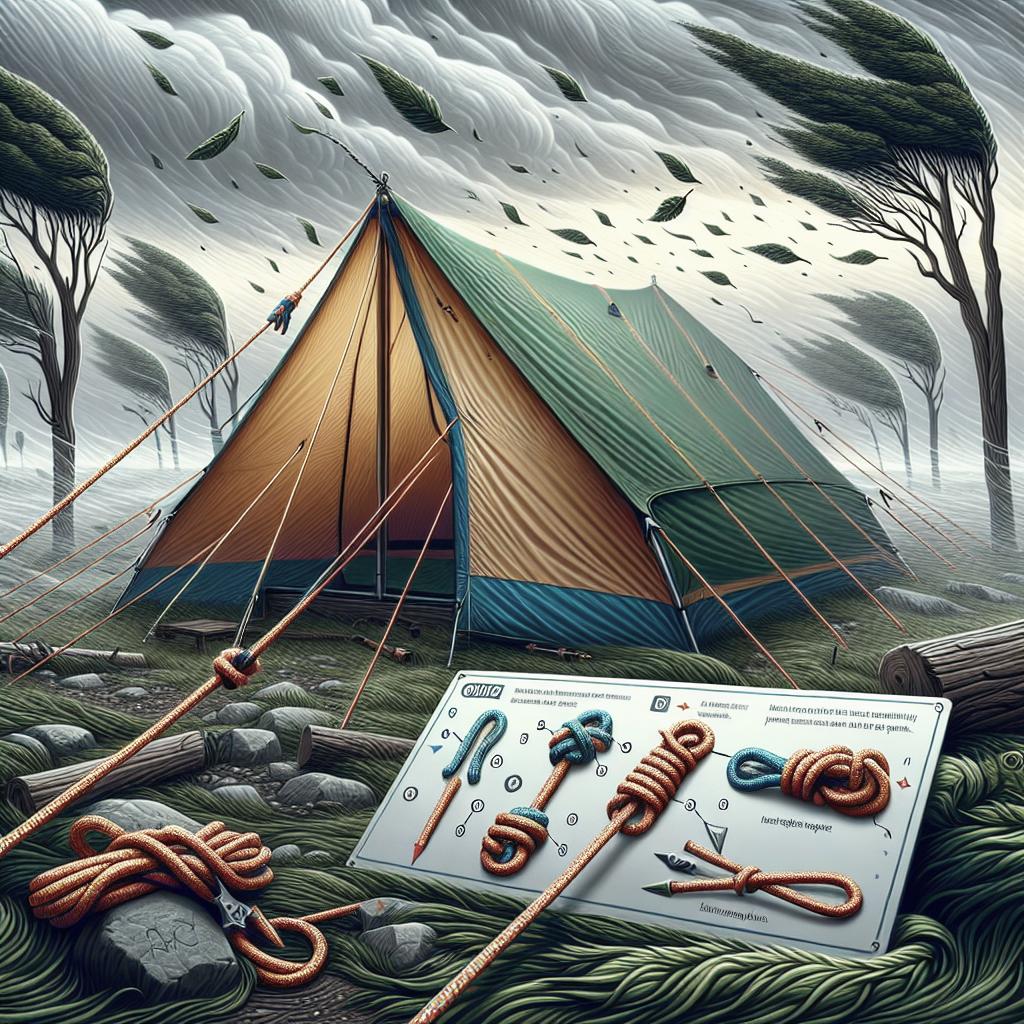
Guylines are essential for handling high winds. Attach them to secure points on your tent and extend them outward at a 45-degree angle. Use non-stretchable ropes to ensure they remain taut. Guylines should be secured to strong anchor points, like trees or designated tent stakes. Remember, it’s better to have too many guylines than too few. Even if your tent seems stable initially, adding extra lines can offer additional security, particularly in unpredictable weather.
In strong wind, firmly-anchored, non-stretch guy lines are a crucial structural component of every tent, freestanding or not.
High-quality guylines can make a significant difference. Avoid elastic cords, as they can stretch and lose tension over time. Prioritize materials like Dyneema or Spectra for their strength and negligible stretch. Regularly check guylines during your trip to ensure they remain tight and secure. Use tensioners to help maintain tautness. Adjust them as needed to ensure your guylines stay firm against the wind. You can also create a “V” shape with two stakes for additional stability, especially if you’re facing variable wind directions.
Tent Stakes and Wind
Selecting the right stakes is crucial. Standard metal stakes might not suffice in extreme conditions. Instead, opt for specialized stakes like V-stakes or Y-stakes, designed to offer superior holding power. Additionally, if camping on sandy or loose soil, consider using sand/snow stakes. Drive stakes into the ground at a 45-degree angle to the tent for optimum grip. If you encounter rocky ground, use nearby heavy rocks to supplement your stakes, or use longer nails that can penetrate deeper.
Pitching in Strong Winds
Setting up a tent in windy conditions requires a systematic approach. Begin by choosing a natural windbreak, such as trees, rocks, or hills, to shield your tent from direct gusts. This natural protection can significantly reduce wind impact. Start by staking down the windward side of your tent first. Then proceed to add poles and secure the tent body before moving to the leeward side. This strategy ensures your tent does not blow away or suffer damage during setup.
Hence, the main principles of pitching in strong wind are:
1. Stake Windward Side First : Always anchor facing the wind before extending and securing the other sides. 2. Maximize Natural Shelters : Utilize trees, rocks, or elevation to shield your tent. 3. Teamwork and Coordination : If you’re camping with others, coordinate your efforts to ensure a smooth setup process. Assign roles, so some hold poles while others handle stakes and guylines.
Strong Winds plus Rain or Sleet
Rain or sleet complicates your efforts to secure a tent in high winds. Focus on waterproofing your tent by using seam sealers and rain covers. Ensure all zippers and openings are adequately closed to prevent water ingress. For added protection, create trenches around your tent’s perimeter to channel water away, reducing the risk of flooding. The added weight of waterlogged soil can also help stabilize your stakes and guylines.
Human Factors and Strong Winds
Your safety is paramount. Always inform someone about your travel plans, including your itinerary and expected return time. Carrying communication devices for emergency scenarios can make a lifesaving difference. Maintain vigilance when setting up or repairing your tent. High winds can dislodge items or cause accidents. Always wear protective clothing, including gloves and goggles, if conditions become hazardous.
To Conclude:
| Aspect | Key Points |
|---|---|
| Pre-trip Preparation | Check weather, condition of tent and gear, practice pitching |
| Tent Selection | Choose low-profile, dome or geodesic tents; ensure durable materials |
| Anchoring and Pitching | Use guylines and stakes effectively; attach guylines at optimal angles |
| Pitching Strategy | Utilize natural shelters, secure windward side first, teamwork |
| Wind plus Rain/Sleet | Waterproof tent, use trenches to divert water |
| Human Factors | Ensure safety, communicate plans, use protective gear |
With these steps, you’ll be well-prepared to secure your tent in high winds and make your outdoor adventure enjoyable and safe.

